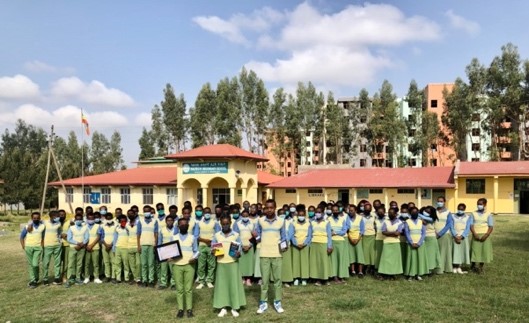
In 2017, the Kalala Learning Village reached a historic milestone — the launch of its first high school class. Named the Kalala Academy of Science and Technology, the secondary school was founded with a deliberate focus on science, mathematics, English, and computer technology — four pillars that the community identified as essential for breaking the cycle of poverty and preparing students for a rapidly changing world.
The first cohort had 52 students in Grade 9 — all of whom had graduated from the KLV primary school — marking the beginning of a new chapter. Today, the Academy serves students through Grade 10, with plans to continue expanding through Grade 12 so that Kalala students can complete their full secondary education within their own community.
Named after Shibu Ejersa — the first settler and ancestor of the community — the school carries forward a legacy of vision, perseverance, and hope.
Erat pellentesque adipiscing commodo elit at, Nibh venenatis cras sed felis eget velit aliquet neque egestas congue.
Erat pellentesque adipiscing commodo elit at, Nibh venenatis cras sed felis eget velit aliquet neque egestas congue.

Erat pellentesque adipiscing commodo elit at, Nibh venenatis cras sed felis eget velit aliquet neque egestas congue.
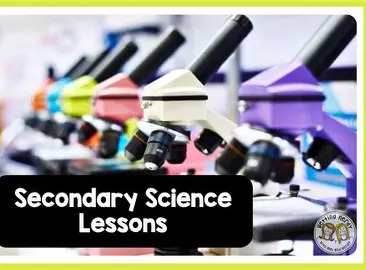
Biology, Chemistry, and Physics are taught as core laboratory sciences. Students engage in experiments, scientific inquiry, and critical analysis — building the skills needed for careers in medicine, engineering, research, and technology.
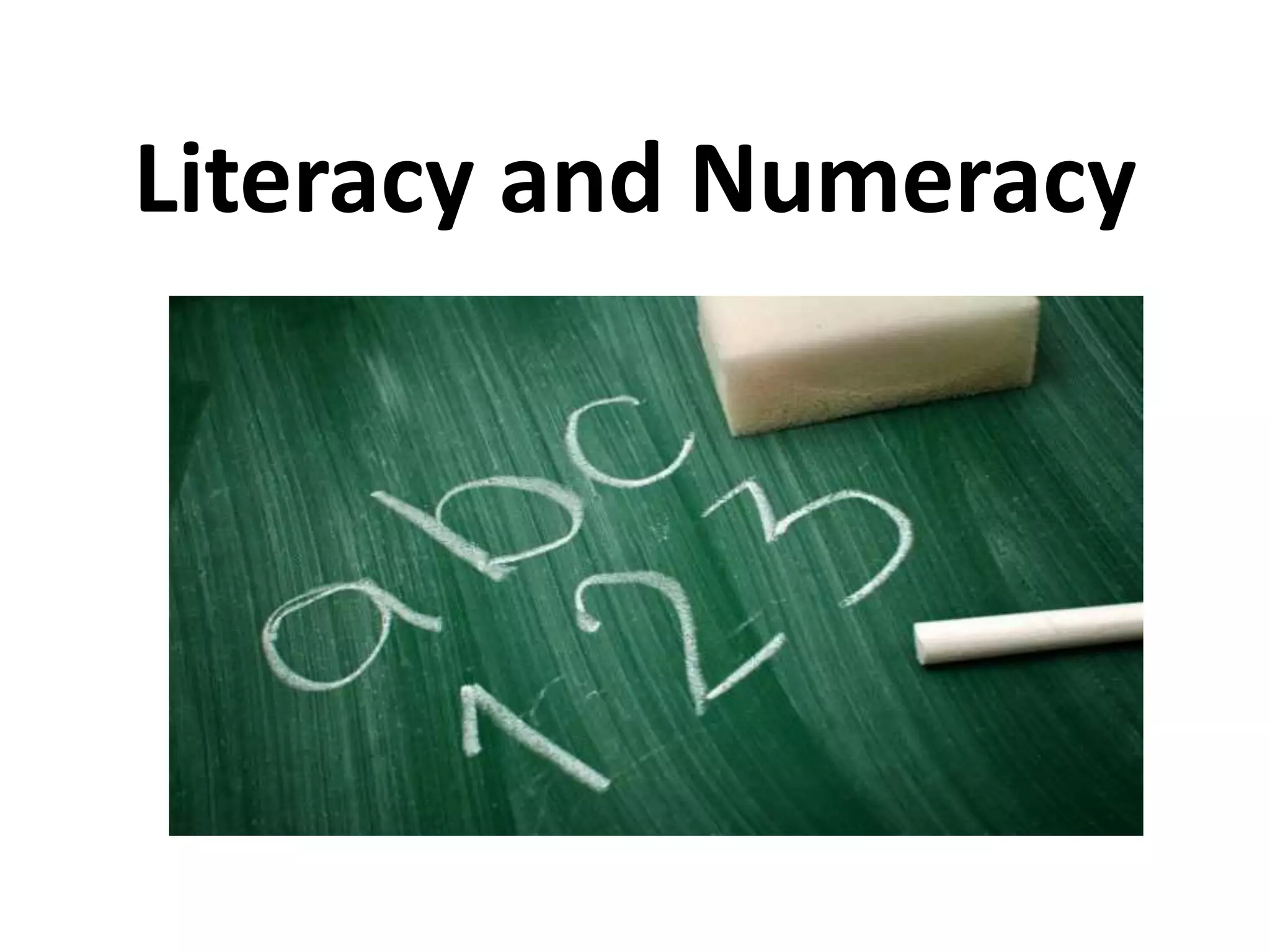
Advanced mathematics is a hallmark of the Academy. From algebra and geometry to statistics and introductory calculus, our math curriculum challenges students to think logically and solve complex problems. The school's strong math tradition is reflected in its students' national competition successes in earlier grades.
As the language of higher education, global commerce, and scientific communication, English receives sustained emphasis. Students develop proficiency in reading, writing, speaking, and comprehension — preparing them for national exams, university studies, and international opportunities.
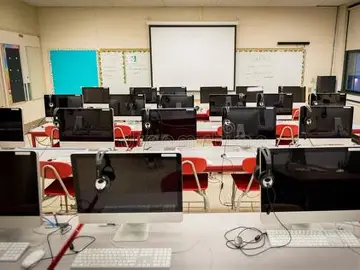
Computer literacy is integrated across the curriculum. Students learn programming fundamentals, digital research skills, data analysis, and the ethical use of technology — equipping them for a world where digital skills are essential.
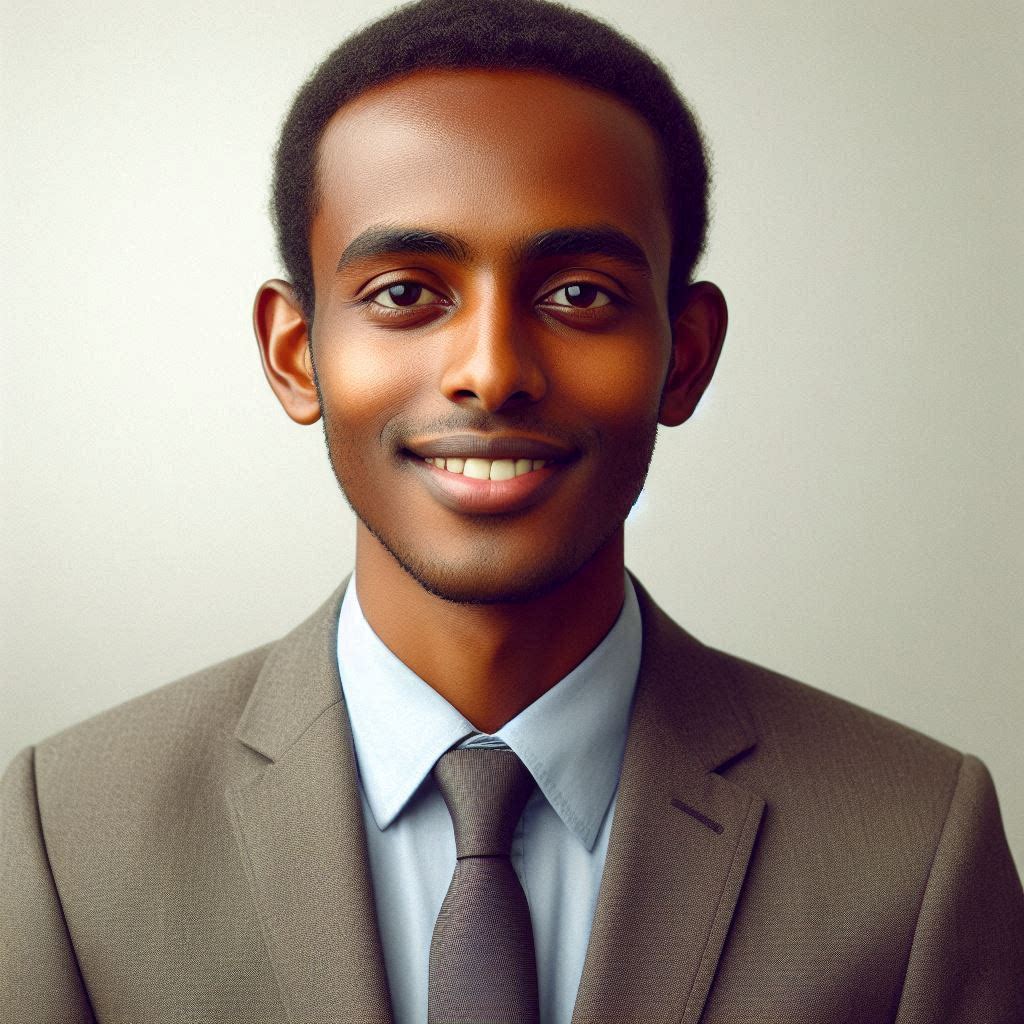
Mathematics Teacher

English Teacher
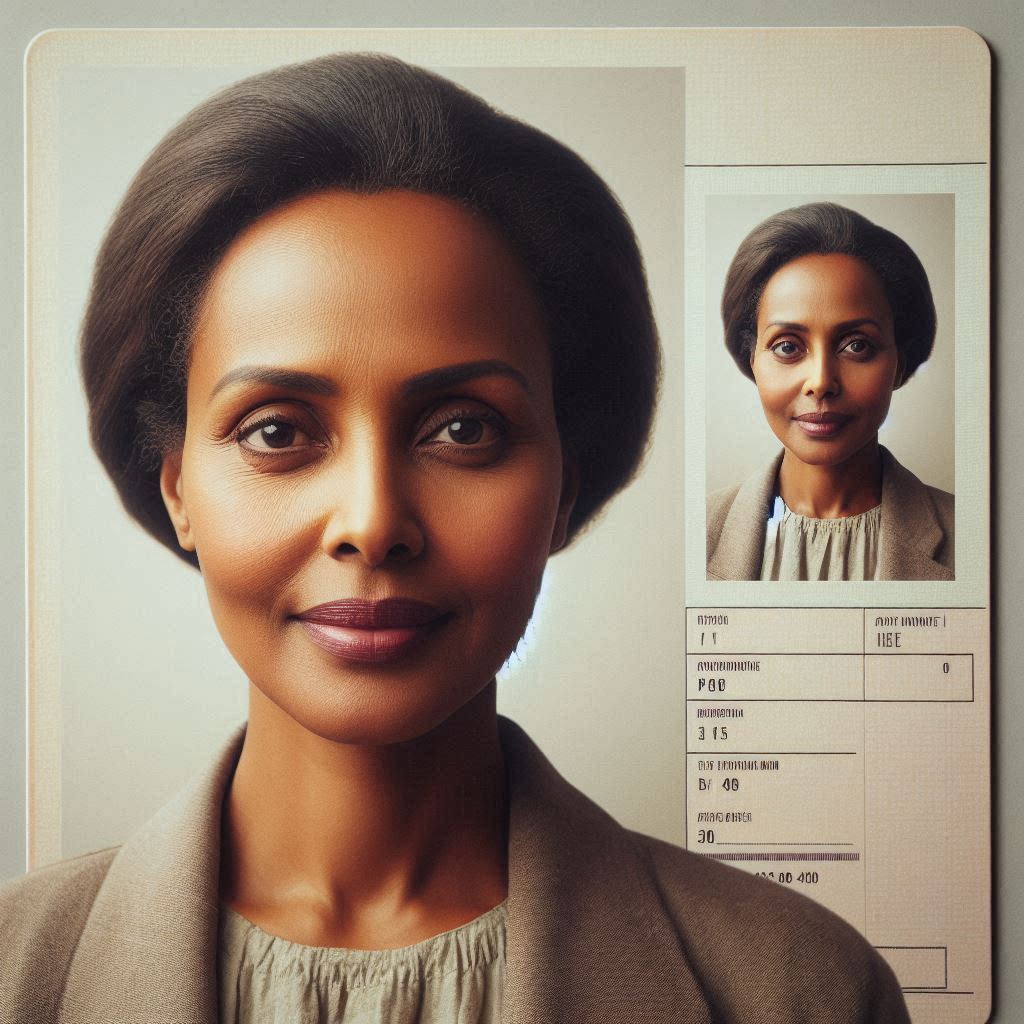
Biology Teacher