

What Make Us Unique
The three leaves of the KLV LOGO clearly shows these three important entities. The health services included the Summit Health Primary Care clinic, the Summit pharmacy and the Summit Dental clinic. A dedicated group of administrators work diligently to maintain a high-quality service at the school, at the health services, at the Micro-industries and at the construction / maintenance services.
PASSION FOR RESULTS
What We Believe
The Mission of the Kalala Learning Village
was (and still is) to transform the community through wholesome lives
growing to their fullest Mental, Spiritual and Physical potential.
In order to achieve the mission of the
Kalala Learning Village, it became necessary to add health service and micro-industries
in rapid succession.

OUR BENEFITS
Why Choose Us?
We work with change-oriented executives to help the community transform, make better decisions, convert those decisions to actions and deliver the sustainable success they desire.
Our services focus on our community most critical issues and opportunities: Education, Spiritual health, Physical Health, special skill enhancement, micro industrial services, transformation, digital.
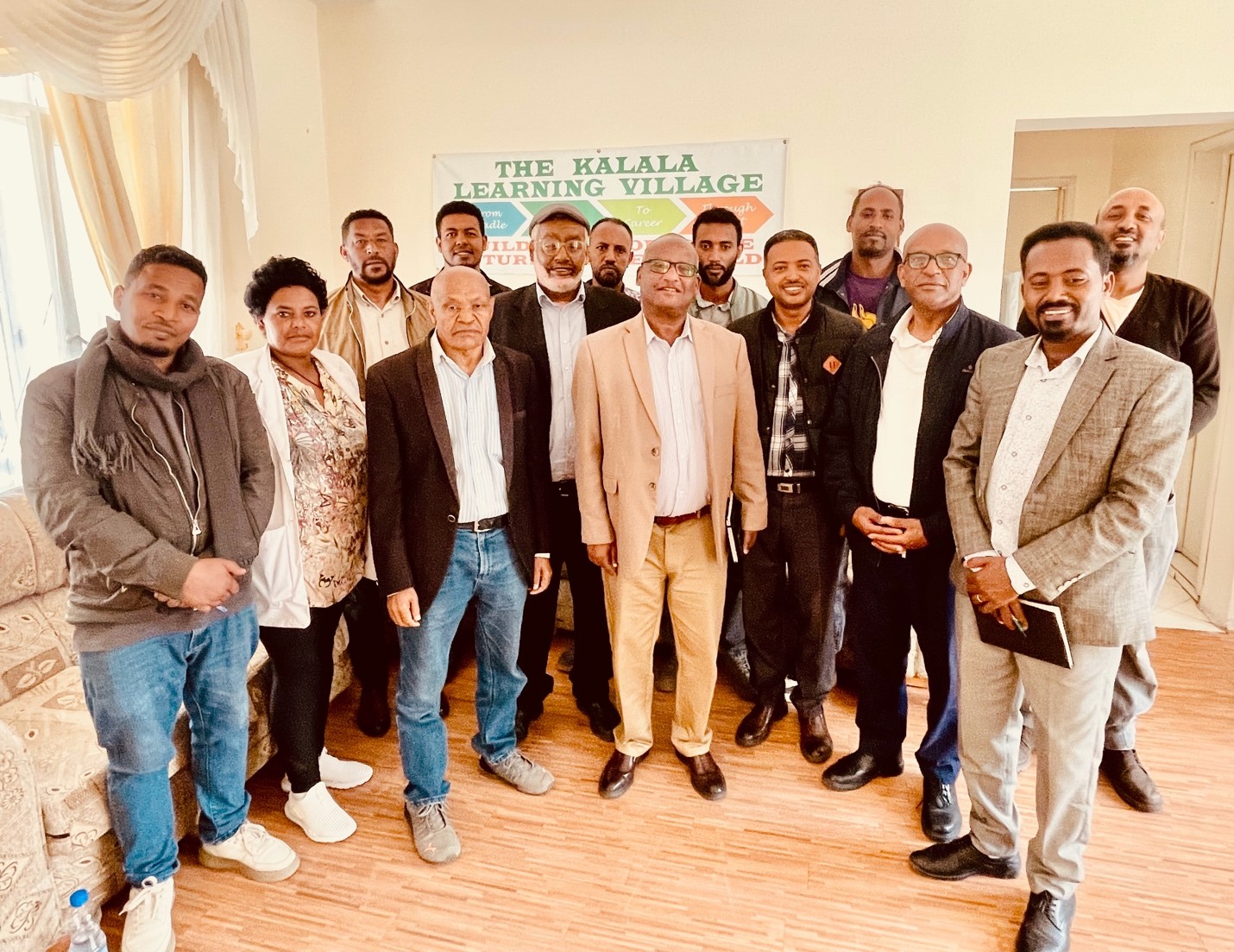
Meet Our Team
We work with change-oriented executives to help them make better decisions, convert those decisions to actions.
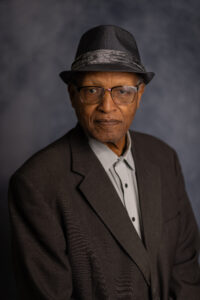
Dr. Fekede
Co-founder of the Company
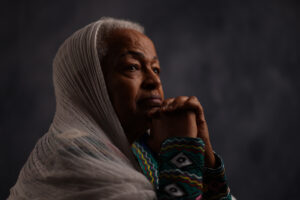
Mrs. Haregewoing
Co-founder of the Company

Mr. Ashenafi
Managerial Director
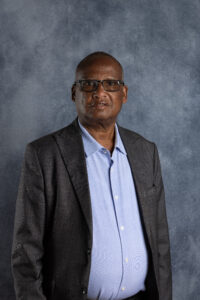
Dr. Tolosa
Academic Head
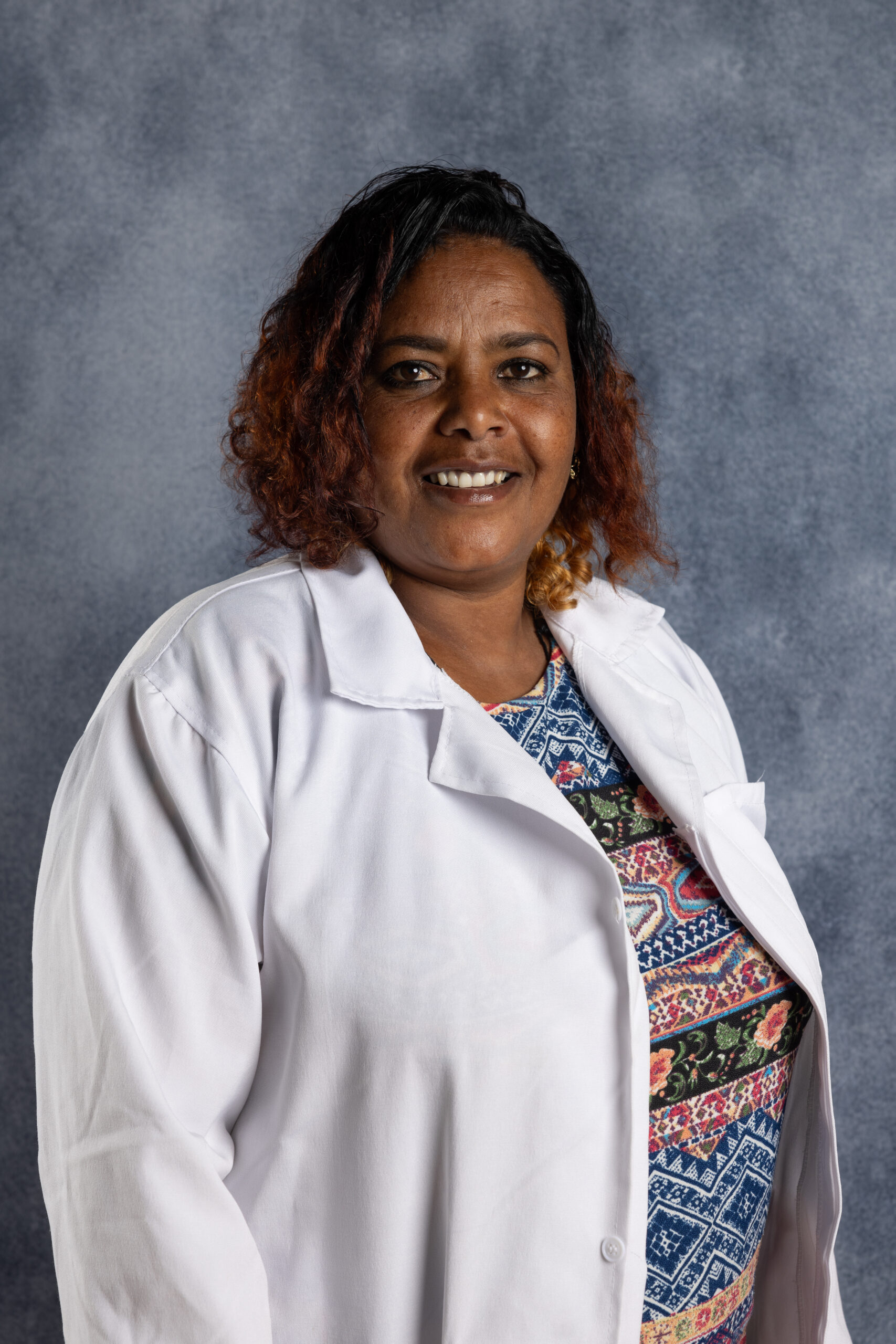
Mrs Ejigayew
KG Principal
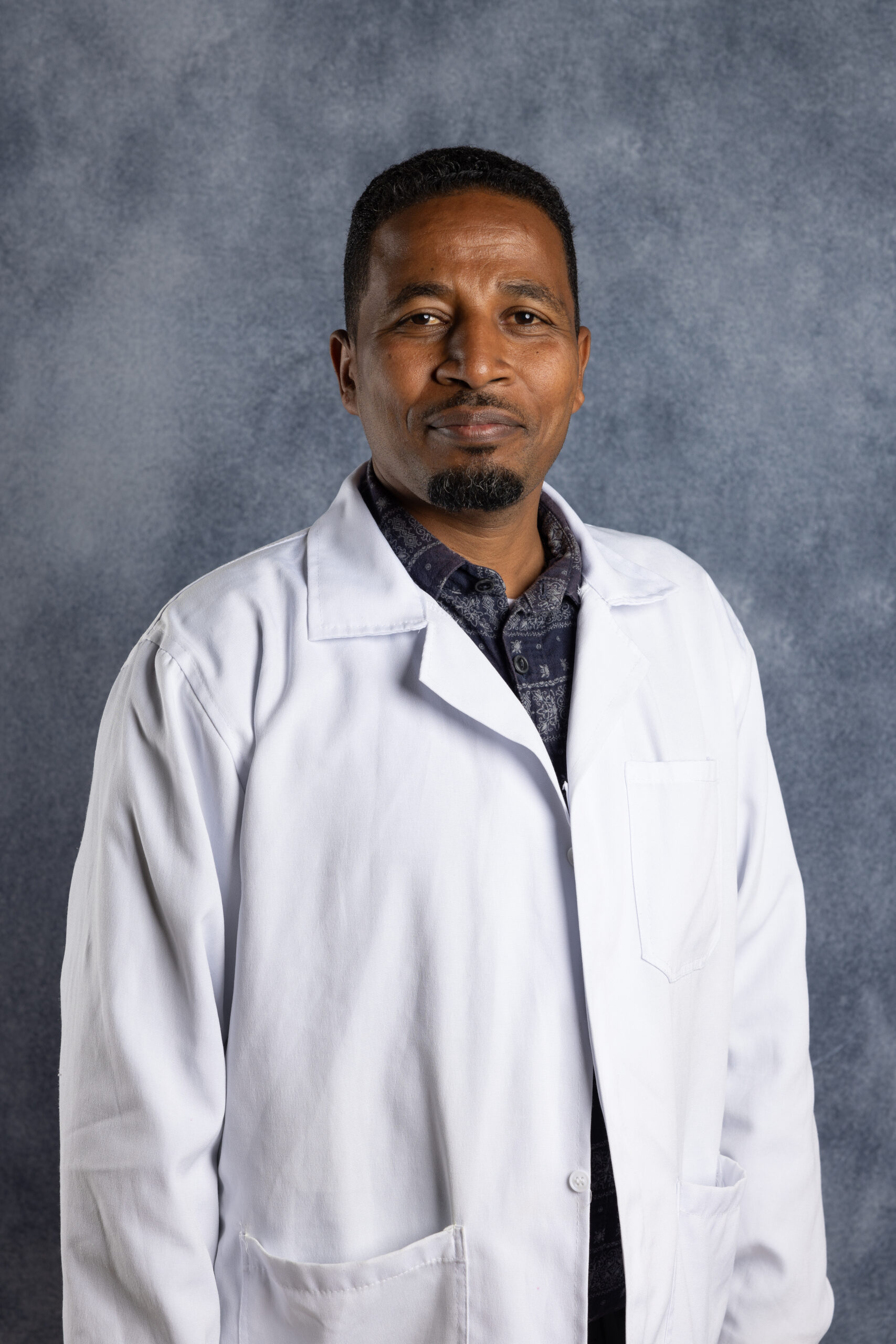
Mr Tsegab
Primary School Principal
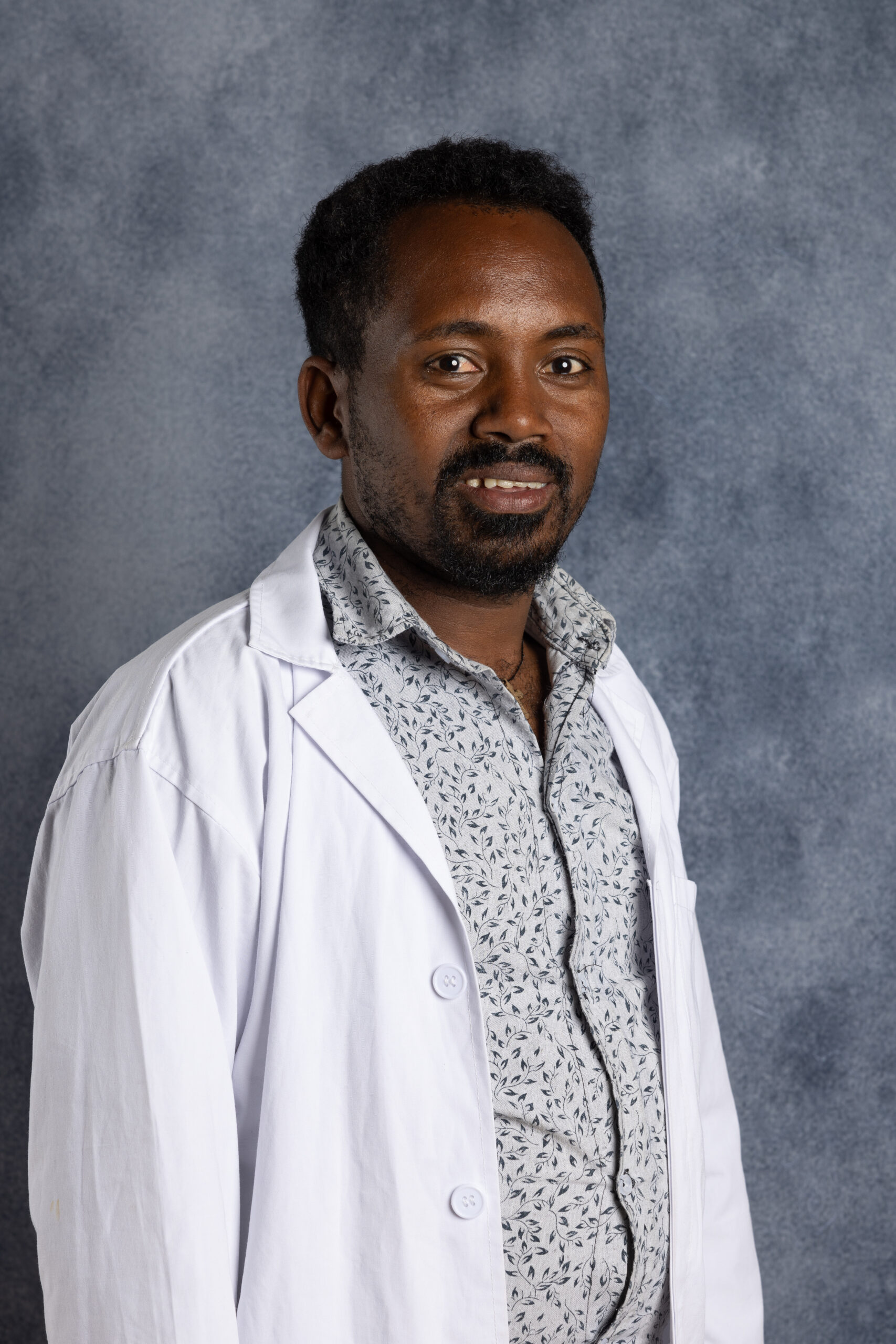
Mr. Biruk
High school Principal
OUR HISTORY
Kalala Learning Village History
In 1995, two inter-related Ethiopian families felt compelled to build a school at Kalala, a farm community located just a few kilometers east of Addis Ababa, for the children of farm workers, as an expression of gratitude to God and to Christian Missionaries whose kindness and generosity lifted them out of abject poverty.The name “Kalala” was derived from a popular medicinal plant that grew on the small hill where a few small-scale farmers lived.The first group of students had their classroom in a converted barn. In 1998, three classrooms were built and some 300 students, ages 6 to 21 lined up for registration. The demand for school quickly became evident as more and more chidren showed up. Some children walked for hours, through rough terrain, to get to school as there were no roads.